

What a Hook Can Hold
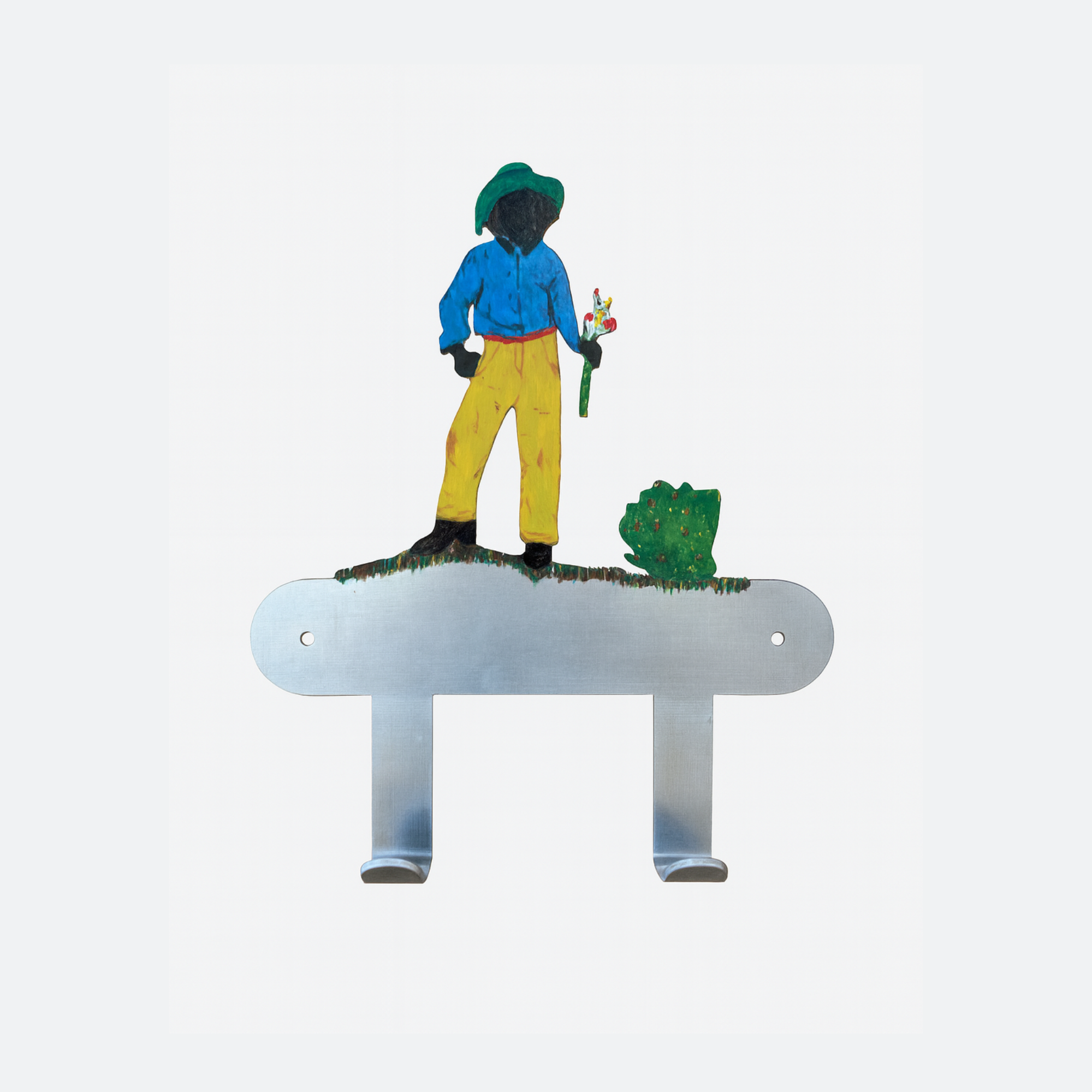
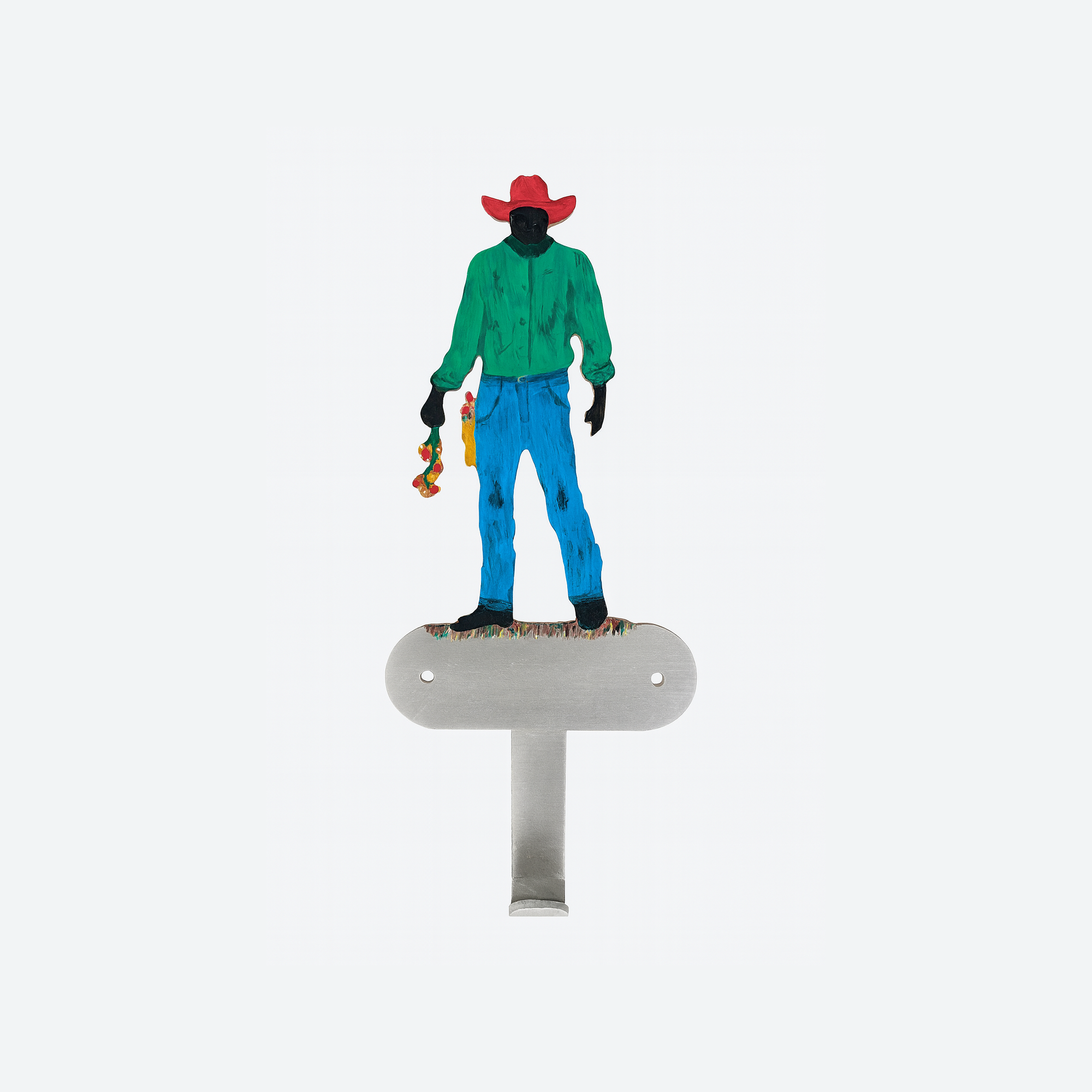
B.C. Joshua makes functional objects that carry histories most people have forgotten. His Frontier Hooks are cut from 100% recycled aluminium sheets and painted by hand in his London studio. They are the latest pieces in a practice shaped by family, memory, and the stories objects can hold.
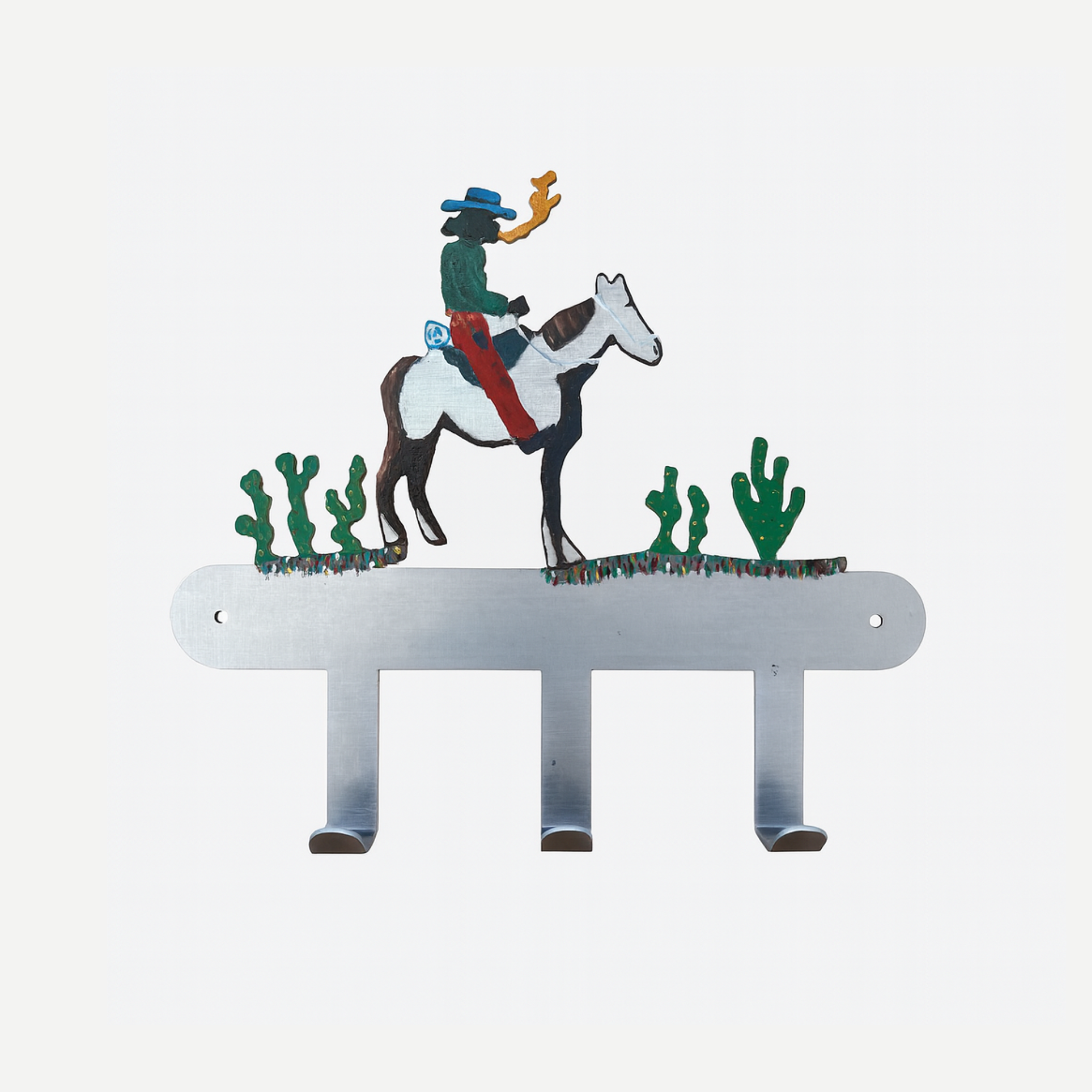
Three hooks. A rider on horseback, hand-painted, moving through a landscape of cacti and open sky.
FH III is the largest piece in B.C. Joshua's Frontier series: a sculptural wall hook cut from 100% recycled aluminium and painted by hand in his London studio. The painting changes from piece to piece, colour, posture, detail. No two are the same. That is by design.
Joshua developed the Frontier series during a residency in New York, researching the history of Black cowboys in America, figures whose stories existed but were rarely told. His grandfather was born in Harlem in 1890. The work carries that inheritance into something functional, something that lives in a room and is used every day.
FH III is a statement piece on its own. It also anchors a modular composition with FH I and FH II. Three works from the same series on a single wall.
Blake Carlson-Joshua’s Frontier series began with a journey through his own family history. His grandfather travelled from the Caribbean, through work on the Panama Canal, and eventually to Harlem, arriving in a place that would become one of the most important centres of Black cultural life in America.
That journey became part of Blake’s wider Harlem Cottage collection: a body of work shaped by Southern American architecture and the Harlem Renaissance. At the heart of the work is an interest in the home, not simply as a place to live, but as a place where histories, identities, and influences overlap.
The Frontier Hooks came later, as a way of distilling those ideas into something smaller and more accessible. A functional object. Something that could live in a room and be used every day.
Each hook carries what Blake describes as “a fragment of a wider story.”
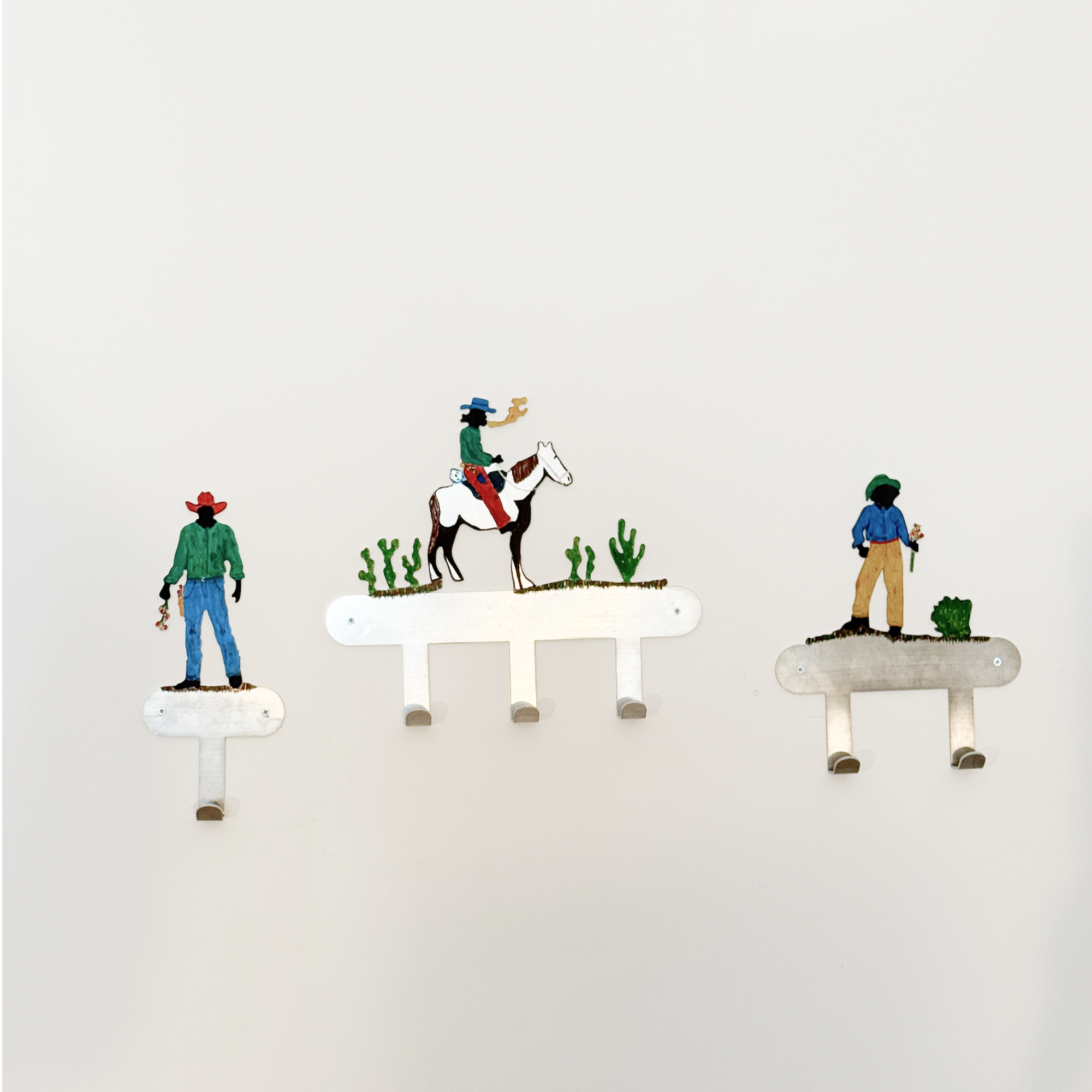
Available as single, double, and triple hooks.
On where the Frontier series began
The word frontier can suggest freedom and possibility. But it can also hold contested history. Blake wanted the series to hold both. The hooks bring together the practical and the symbolic: aluminium forms designed to function as wall hooks, painted with figures that speak to history, mythology, and visibility.
At the centre of the series is a recurring image in Blake’s work: the Black cowboy.
The cowboy is one of America’s most recognisable symbols, but the version most people inherited through film and popular culture is incomplete. Black cowboys were part of that history, yet were largely removed from the mythology that followed. For Blake, the Black cowboy is a way of questioning that omission. But the figure also represents something more expansive: freedom, independence, and self-determination.
As he puts it:
“There is a confidence in the image, someone occupying the landscape fully and defining themselves on their own terms.”
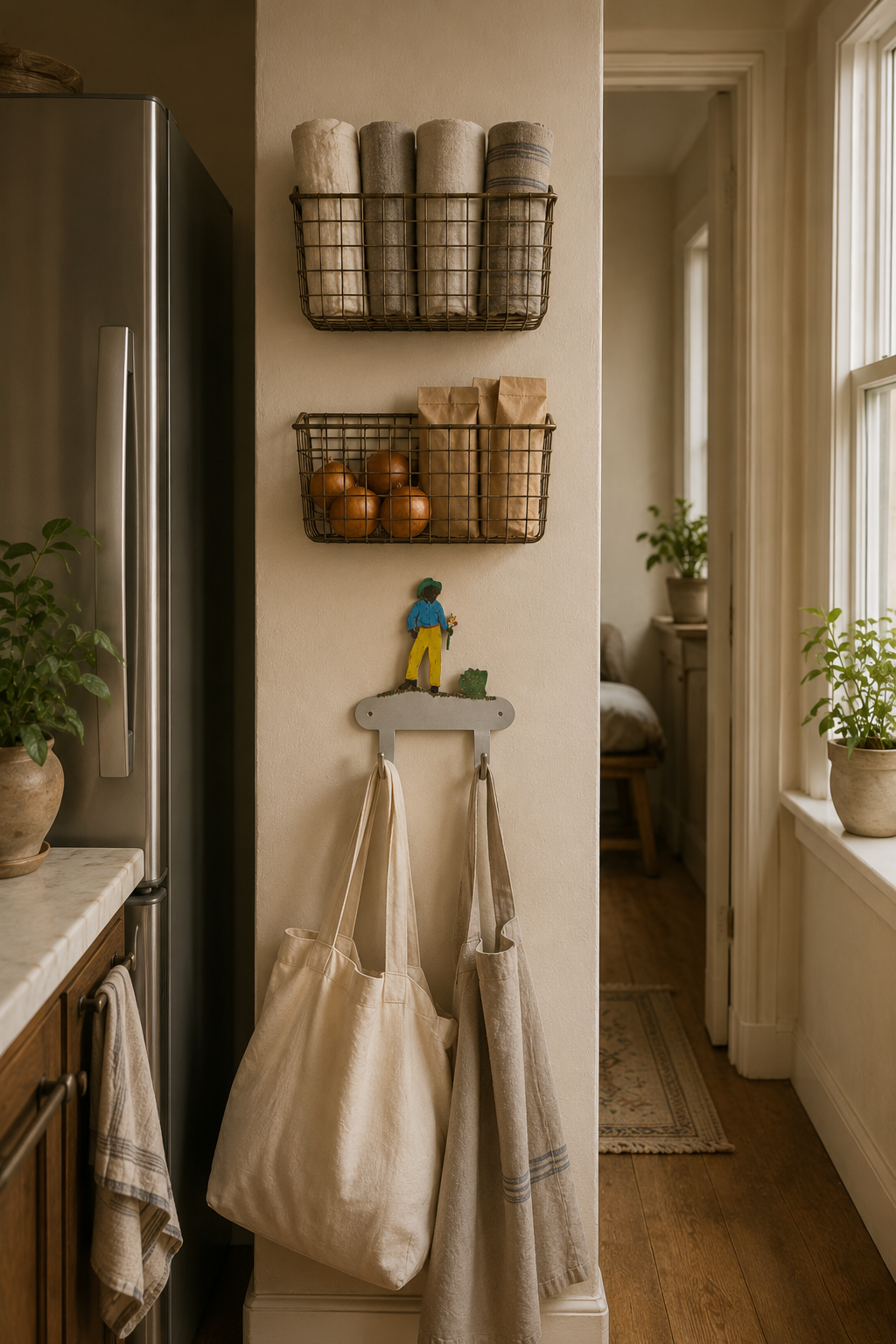
The Black cowboy is a recurring figure in Blake Carlson-Joshua’s work.
Placed on a wall hook, an object we might reach for without much thought, the figure becomes part of the room. Present, visible, and quietly insistent.
On painting by hand, every time
Each hook begins as a cut aluminium form. Once the surface is prepared, Blake cleans and keys the metal so it can accept paint properly. He often begins with drawings, but the final piece is not intended to feel mechanically reproduced from a sketch. The composition develops as he works directly onto the aluminium.
The image is built slowly, in layers. He moves between larger areas of colour and the finer lines that give each figure its character. The aluminium itself is precise and industrial; the painting is slower, more intuitive, and visibly human.
That tension is part of what makes the work interesting. Once the painting is complete, each piece is sealed and fitted with hardware. Small variations remain in line, colour, surface, and character. For Blake, those differences matter. They are not flaws in the process. They are the record of it. Each hook becomes an individual piece, rather than a reproduction.
“I don’t expect handmade work to be flawless. I’m more interested in whether its imperfections feel honest and intentional.”
On knowing when something is ready
For Blake, a piece is ready when there is balance. The idea, the material, and the function all have to meet. The object needs to carry the story without being overwhelmed by it. It needs to feel resolved, while still holding onto the evidence of being made by hand. There is also a practical threshold.
Before selling something, he needs to know that it works, that the construction is sound, and that he can stand behind it. The question is not whether a handmade object is perfect.
The question is whether it feels honest.
On fatherhood, memory, and what gets carried forward
Blake became a father recently, and although he is careful about drawing conclusions from something still so new, one shift is already clear: time in the studio feels more concentrated.
He is becoming more conscious of what deserves his attention.
Fatherhood has also changed how he thinks about family, inheritance, and memory. Much of his work has involved looking backwards, trying to understand the people, movements, and histories that shaped him. Becoming a father introduces another direction.
“Thinking about what gets carried forward, what we choose to preserve, and what kind of stories we leave behind.”
His grandfather’s journey from the Caribbean to Harlem. The hooks that came from researching that journey. A child who will grow up with that history already made visible, already hanging on a wall somewhere. The lineage continues in both directions.
On what he’s watching right now
Ask Blake what he is thinking about that has nothing to do with his own work, and he will tell you about fly fishing. Specifically, fly tying: the making of custom flies by hand, using feather, thread, and an obsessive attention to detail. He has never fly-fished. He has never tied a fly. But as a new father spending more time on YouTube, he has found himself drawn into that world: the skill, the dedication, the beauty involved in making something small and precise for a very specific purpose.
It is, when you think about it, not so different from what he does every day.
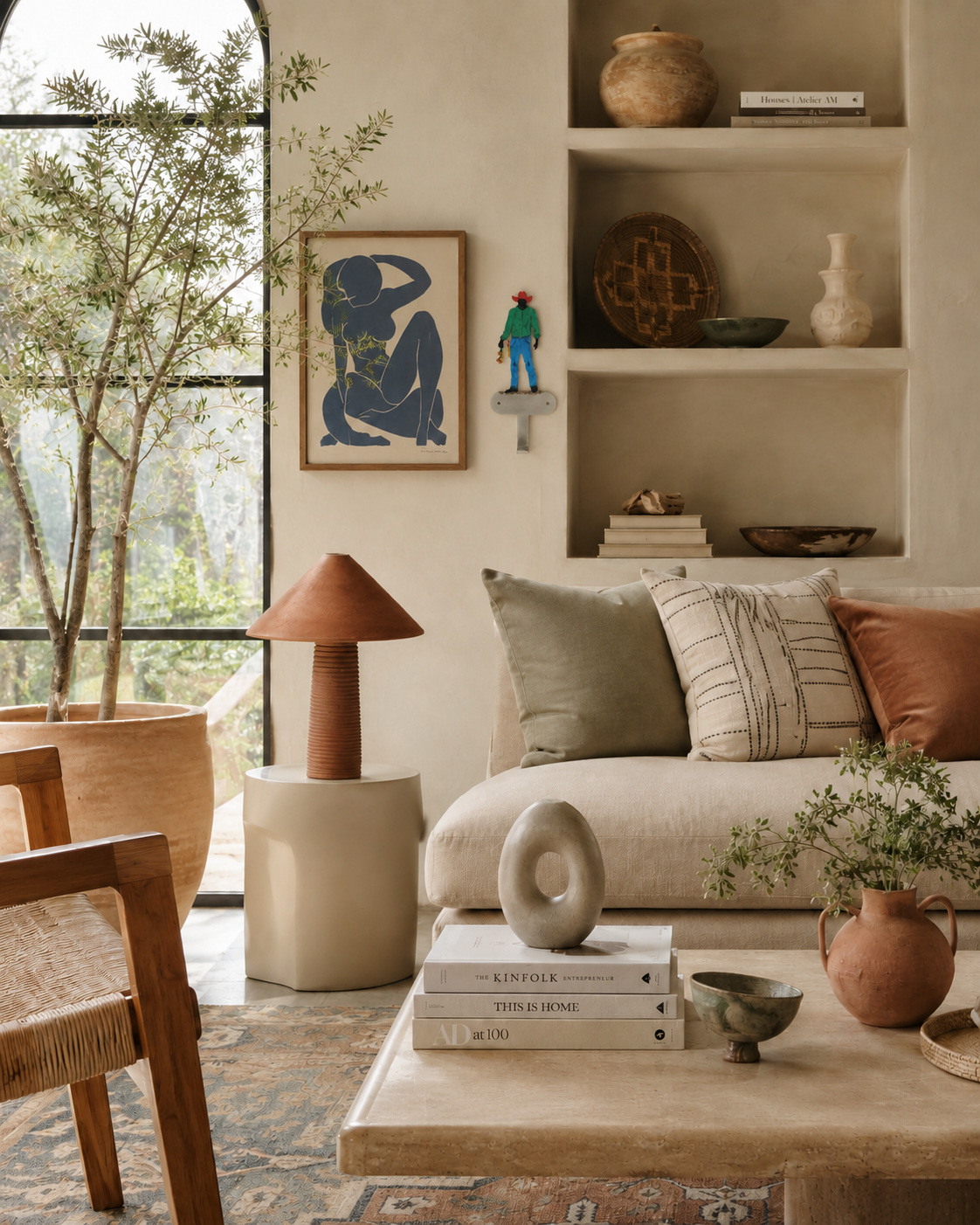
An everyday object, placed back into the room.
A hook is usually something we pass without thinking. Here, it becomes a place where material, memory, function, and image meet.
A small object, made useful.
A small object, carrying history.
A small object, asking us to look again.
The Frontier Hooks by B.C. Joshua are available on Hamalie in three variants: single, double, and triple. Each piece is cut from 100% recycled aluminium sheets, painted by hand in London, and made in small batches.
Three hooks. A rider on horseback, hand-painted, moving through a landscape of cacti and open sky.
FH III is the largest piece in B.C. Joshua's Frontier series: a sculptural wall hook cut from 100% recycled aluminium and painted by hand in his London studio. The painting changes from piece to piece, colour, posture, detail. No two are the same. That is by design.
Joshua developed the Frontier series during a residency in New York, researching the history of Black cowboys in America, figures whose stories existed but were rarely told. His grandfather was born in Harlem in 1890. The work carries that inheritance into something functional, something that lives in a room and is used every day.
FH III is a statement piece on its own. It also anchors a modular composition with FH I and FH II. Three works from the same series on a single wall.